Mastering the Art of Lightweight Adventure Packing: Your Guide to Ultralight Trails Across the US
Mastering the Art of Lightweight Adventure Packing: Your Guide to Ultralight Trails Across the US
Embarking on an outdoor adventure across America's stunning landscapes, from the rugged Rockies to the lush Appalachian Trail, is an experience like no other. But what if you could make that experience even more enjoyable, faster, and less strenuous? The secret lies in mastering the art of lightweight packing. Imagine hiking for miles, feeling energized instead of weighed down, with less strain on your back and knees. This isn't just a dream; it's an achievable reality for any explorer in 2026.
Lightweight packing isn't about sacrificing essentials or comfort; it's about making smart choices, optimizing your gear, and adopting a minimalist mindset. It's about carrying only what you truly need, allowing you to move with greater freedom, cover more ground, and truly immerse yourself in the natural beauty surrounding you. Whether you're planning a multi-day backpacking trip through a national park or a fast-and-light ascent of a peak, these tips will help you shed unnecessary weight and elevate your outdoor experience.
The "Why" of Going Lightweight: More Than Just Comfort
Why should you bother with lightweight packing? The benefits extend far beyond a lighter load on your shoulders. First and foremost, it significantly reduces physical strain, minimizing the risk of injuries and allowing you to maintain energy levels throughout your journey. Imagine traversing the Grand Canyon's demanding trails or the dense forests of the Pacific Northwest without feeling utterly depleted. A lighter pack translates to less fatigue, enabling you to enjoy the scenery, wildlife, and camaraderie of your fellow adventurers more fully.
Secondly, a lighter pack often means increased speed and agility. You can cover more miles in a day, allowing for more ambitious itineraries or simply more time to relax at camp. This efficiency is particularly valuable on long-distance trails like the Pacific Crest Trail or the Continental Divide Trail. Furthermore, lighter gear often packs down smaller, freeing up space in your backpack for essential items or even a few small luxuries. It's about enhancing your overall experience, making every step more enjoyable and every vista more rewarding.
Mindset Shift: Less is More, Multi-Use is Key
The foundation of ultralight packing begins with a shift in mindset. Instead of asking, "What might I need?" ask, "What do I absolutely need?" Every item in your pack should justify its presence. Consider the "three-second rule": if you can't think of three distinct uses for an item, it might not be worth bringing.
For example, a bandana can serve as a sweatband, a pot holder, a pre-filter for water, or even an emergency bandage. Your trekking poles can be used for stability, pitching a tarp, or fending off curious critters. This approach forces you to be creative and resourceful, streamlining your gear list to the bare essentials. Before you even start packing, lay out everything you *think* you need. Then, critically evaluate each item. Can something else do its job? Can you get by without it? This ruthless culling process is crucial.
The "Big Three" (or "Big Four"): Your Foundation for Lightness
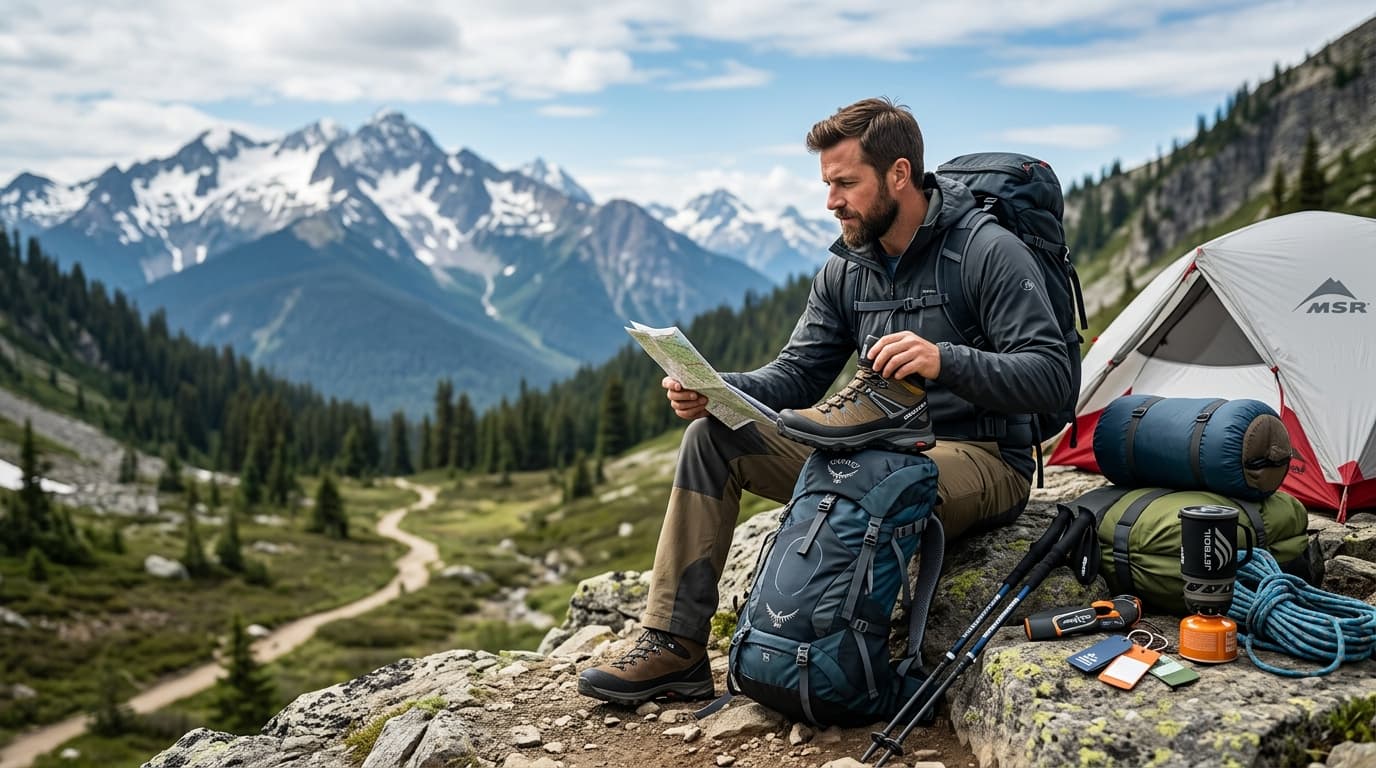
When it comes to shedding significant weight, focus on what experienced backpackers call the "Big Three": your backpack, shelter, and sleeping system. Some include "The Big Four" by adding a cooking system. These items typically constitute the heaviest portion of your pack, so optimizing them offers the biggest returns.
Backpack:
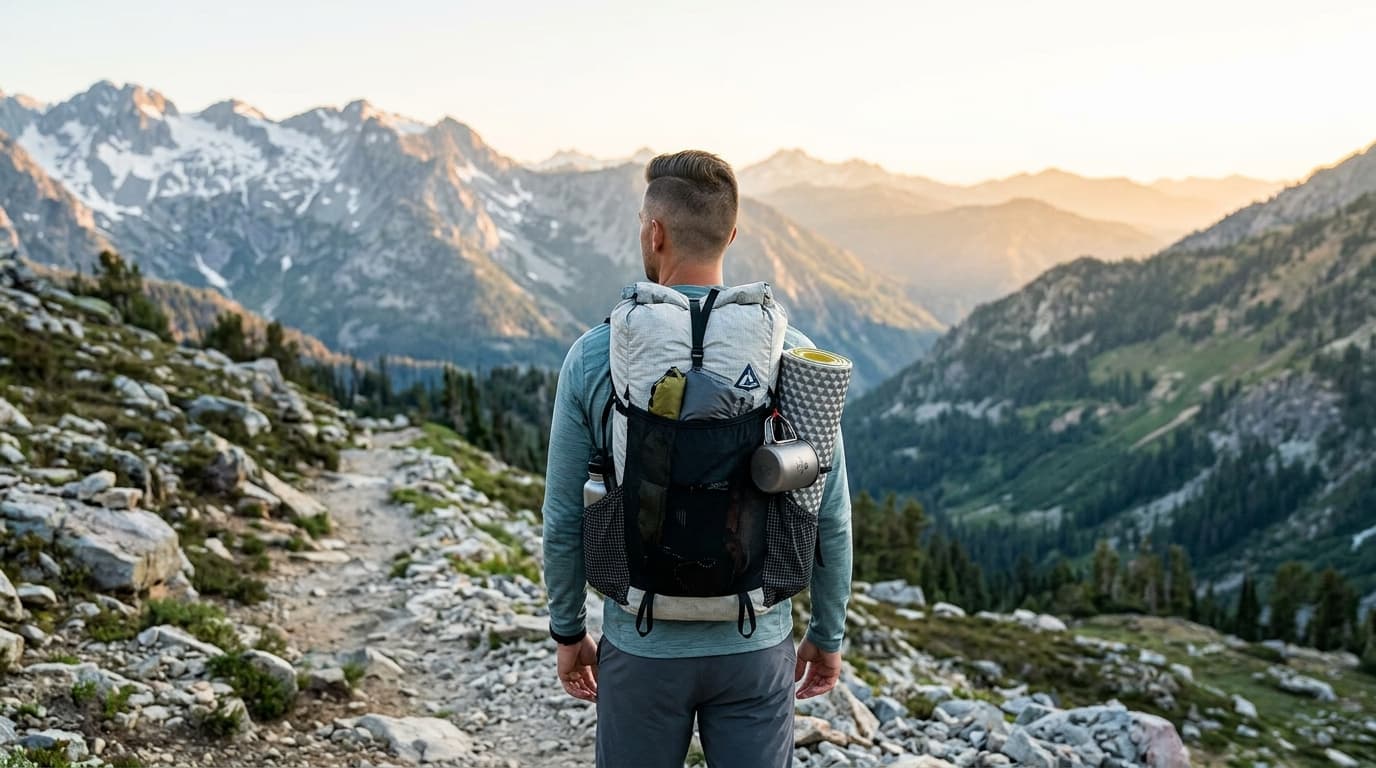
Look for packs with minimal frames, lighter fabrics (like Dyneema Composite Fabric or lightweight nylons), and streamlined features. A 40-50 liter pack is often sufficient for multi-day trips. Brands like Osprey, Gregory, and Hyperlite Mountain Gear offer excellent lightweight options available at REI or local gear shops across the US.
Shelter:
Tents have become incredibly light. Consider a single-wall tent, a tarp, or a bivy sack if conditions allow. Freestanding tents are convenient but often heavier. Non-freestanding tents that use trekking poles for support are a fantastic ultralight option.
Sleeping System:
This includes your sleeping bag (or quilt) and sleeping pad. Down insulation offers the best warmth-to-weight ratio, but synthetic is better in wet conditions. Opt for a quilt if you're comfortable; they're often lighter than full sleeping bags. Choose an inflatable pad for comfort and insulation, but ensure it's lightweight and durable.
Cooking System (if applicable):
Forgo heavy stoves and fuel bottles. Consider a small, efficient canister stove or even cold soaking for certain meals. Many ultralighters opt for dehydrated meals that only require hot water, reducing cook time and fuel consumption.
Smart Clothing Strategy: Layer Up, Pack Light
Clothing is another area where weight can quickly accumulate. The key is a versatile layering system that adapts to changing weather conditions, common in regions like the Colorado mountains or New England forests. Avoid cotton, which absorbs moisture and dries slowly. Instead, prioritize moisture-wicking synthetics and merino wool.
A typical lightweight clothing system includes:
Base Layer: Long-sleeve merino wool or synthetic top and bottoms for warmth and moisture management.
Mid-Layer: A lightweight fleece or puffy jacket for insulation.
Outer Layer: A waterproof and windproof rain jacket and pants. Look for breathable options from brands like Gore-Tex or Pertex.
Hiking Clothes: Quick-drying shorts or convertible pants and a short-sleeve top.
Camp Clothes: A clean pair of socks and perhaps a lightweight long-sleeve shirt for sleeping.
Remember to check the weather forecast for your specific US region and adjust accordingly. You often don't need a fresh outfit for every day; one or two sets of hiking clothes are usually sufficient, with proper airing out at camp.
Hydration & Nutrition: Fueling Your Adventure Efficiently
Water is heavy, so efficient hydration is critical. Carry enough water to get you to the next reliable source, then filter. Sawyer Squeeze or Katadyn BeFree filters are popular, lightweight choices. Consider a collapsible water bottle or hydration reservoir for convenience. For food, focus on calorie-dense, lightweight options like nuts, dried fruit, energy bars, and dehydrated meals. Repackage food out of bulky boxes to save space and weight. Brands like Backpacker's Pantry and Mountain House are staples in US outdoor stores, offering lightweight and tasty meal options.
Navigation, Safety, and Personal Items: Essential, Not Excessive
While going ultralight, never compromise on safety. Always carry a map, compass, and a fully charged GPS device or smartphone with downloaded offline maps (like Gaia GPS or AllTrails, popular among US hikers). A personal locator beacon (PLB) or satellite messenger (e.g., Garmin inReach) is highly recommended for remote areas without cell service, providing peace of mind for you and your loved ones back home.
Your first-aid kit should be comprehensive but compact. Focus on treating common trail ailments like blisters, cuts, and sprains. For personal items and toiletries, miniaturize everything. Travel-sized toothpaste, a small bar of soap, and a tiny bottle of hand sanitizer are usually sufficient. Leave the full-size deodorant at home! A small trowel for Leave No Trace ethics is also a must-have.
Packing Techniques: Distribute the Load Wisely
How you pack is almost as important as what you pack. Distribute weight evenly, keeping heavier items close to your back and centered. Use stuff sacks or dry bags to organize your gear and protect it from moisture. Compression sacks can reduce the volume of bulky items like sleeping bags and puffy jackets. Pack items you'll need frequently (like snacks, water, and rain gear) in easily accessible pockets.
Pre-Trip Prep: The Shakedown Hike
Before embarking on a major trip, especially if you're new to ultralight packing, do a "shakedown hike." Load your pack with all your intended gear and go for a day hike or an overnight trip close to home. This allows you to test your gear, identify any discomforts, and discover items you truly didn't need or forgot. It's a critical step to fine-tune your setup for your big adventure in 2026, ensuring you're comfortable and confident on the trail.
Conclusion: Embrace the Freedom of Lightness
Adopting a lightweight packing strategy is more than just a trend; it's a transformative approach to outdoor adventure. By meticulously selecting your gear, embracing multi-use items, and practicing smart packing techniques, you'll unlock a new level of freedom and enjoyment on the trails. Imagine tackling the challenging terrain of Yosemite or the vast wilderness of Alaska with a spring in your step, fully present in the moment. So, take these tips, apply them to your next US adventure, and experience the profound difference a lighter pack can make. Happy trails in 2026!
Related Articles
Explore more articles you might like